Expert removal of diseased, damaged, or dangerous trees
Tree removal is a complex and high-risk procedure that should only be performed by trained professionals. At T.T.T Tree Care & Property Maintenance, our experienced tree specialists assess each situation carefully to ensure safe, efficient removal with minimal impact to your property. If you require tree removal services in Minden, Ontario, or surrounding communities, contact us today for a free estimate.
Expert removal of diseased, damaged, or dangerous trees
Tree removal is a complex and high-risk procedure that should only be performed by trained professionals. At T.T.T Tree Care & Property Maintenance, our experienced tree specialists assess each situation carefully to ensure safe, efficient removal with minimal impact to your property. If you require tree removal services in Minden, Ontario, or surrounding communities, contact us today for a free evaluation and no-obligation quote.
Signs you may need tree removal in Ontario:
The tree’s roots are damaged, decayed, or severed from the ground
The tree or its big branches are leaning to one side
The trunks of the trees have large hollows or cavities, indicating disease
The bark of the tree is chipping, and the layer underneath is brown and dry
The leaves of the tree are gradually losing color
The tree is excreting seeds or needle-like material
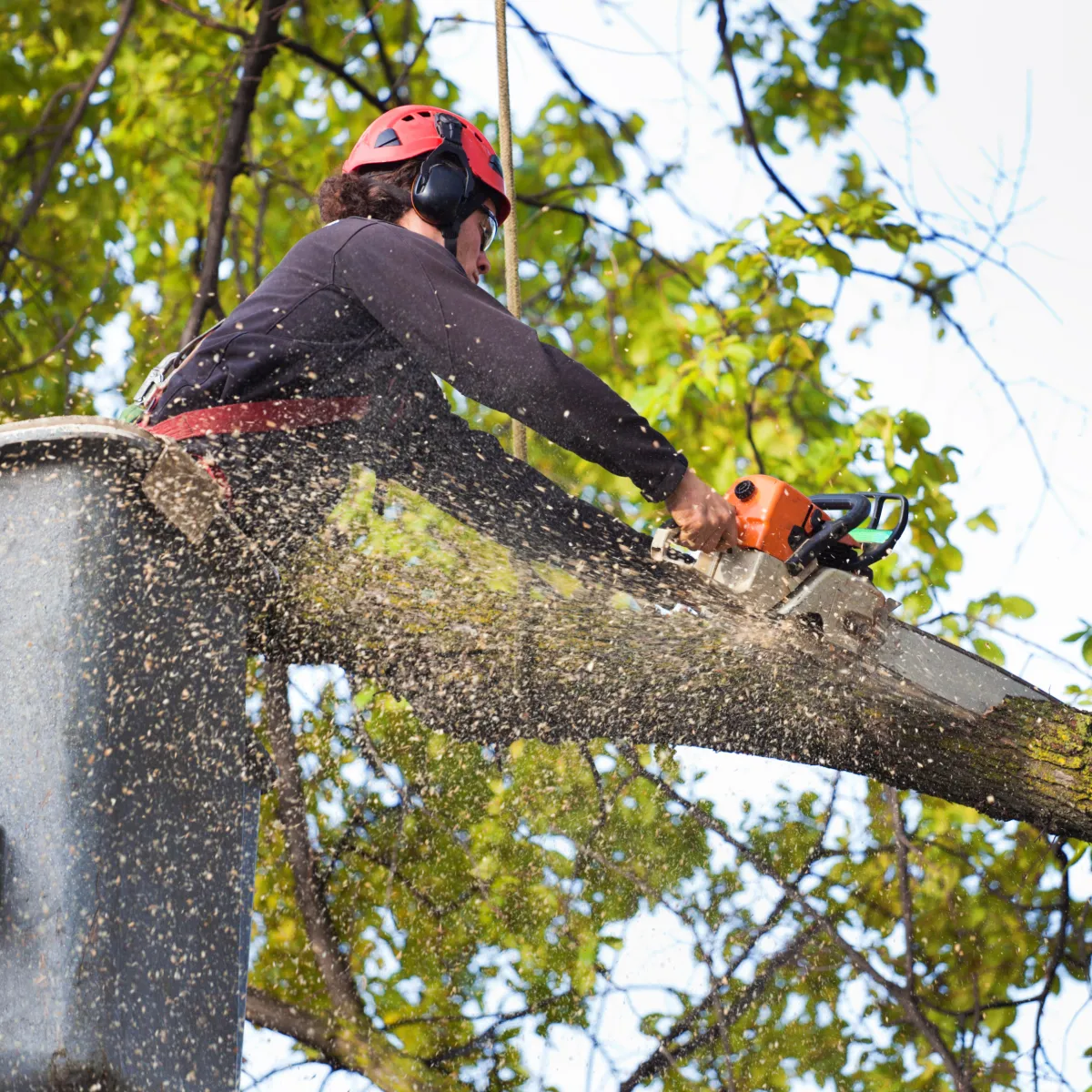
Reasons you may need tree removal services
1. Rot and decay of trees
You may need tree removal services if your existing trees are rotting or diseased. The onset of rot and diseases can weaken the foundation of your trees, and the disease can eventually spread to surrounding plants and trees. We try our best to save your damaged and rotted trees, but, in some cases, we may need tree removal services.
2. Obstruction of view
You may opt for tree removal services if your view is obstructed. Clients generally ask for tree trimming services if certain branches obstruct the view from the windows in their homes. But if the trimming of branches isn’t enough, we may need to remove the tree altogether. When possible, we always prefer trimming rather than tree removal.
3. Damaged sidewalks and water lines
Old trees often develop large root systems that break sewers, water lines, and sidewalks. To that end, we often inspect real estate and remove problematic trees that might be damaging surrounding properties or have the risk of damaging sidewalks and water lines.
4. Promoting the growth of other plants
Plants and trees need access to adequate light to grow properly. In some cases, trees with large canopies can prevent other plants from receiving their fair share of sunlight and nutrients, thus stunting their growth. We provide tree trimming or tree removal in Ontario to facilitate the growth of other plants and trees.
5. Proximity to power and communication lines
Tree removal is often necessary when there’s a risk of the tree damaging power and communication lines. We generally provide tree trimming services to prevent it from damaging other surrounding structures and communication lines, but if that’s not enough, tree removal might be necessary.
6. Emergencies
You many need emergency tree removal in the following situations:
The tree is partially fallen
Large branches of the tree show signs of falling
The entire tree or parts of the tree have landed on a structure
The tops of the trees have failed and are hanging against other trees
Lighting strikes and storms have severely damaged the tree
Fallen trees are blocking the driveway or path
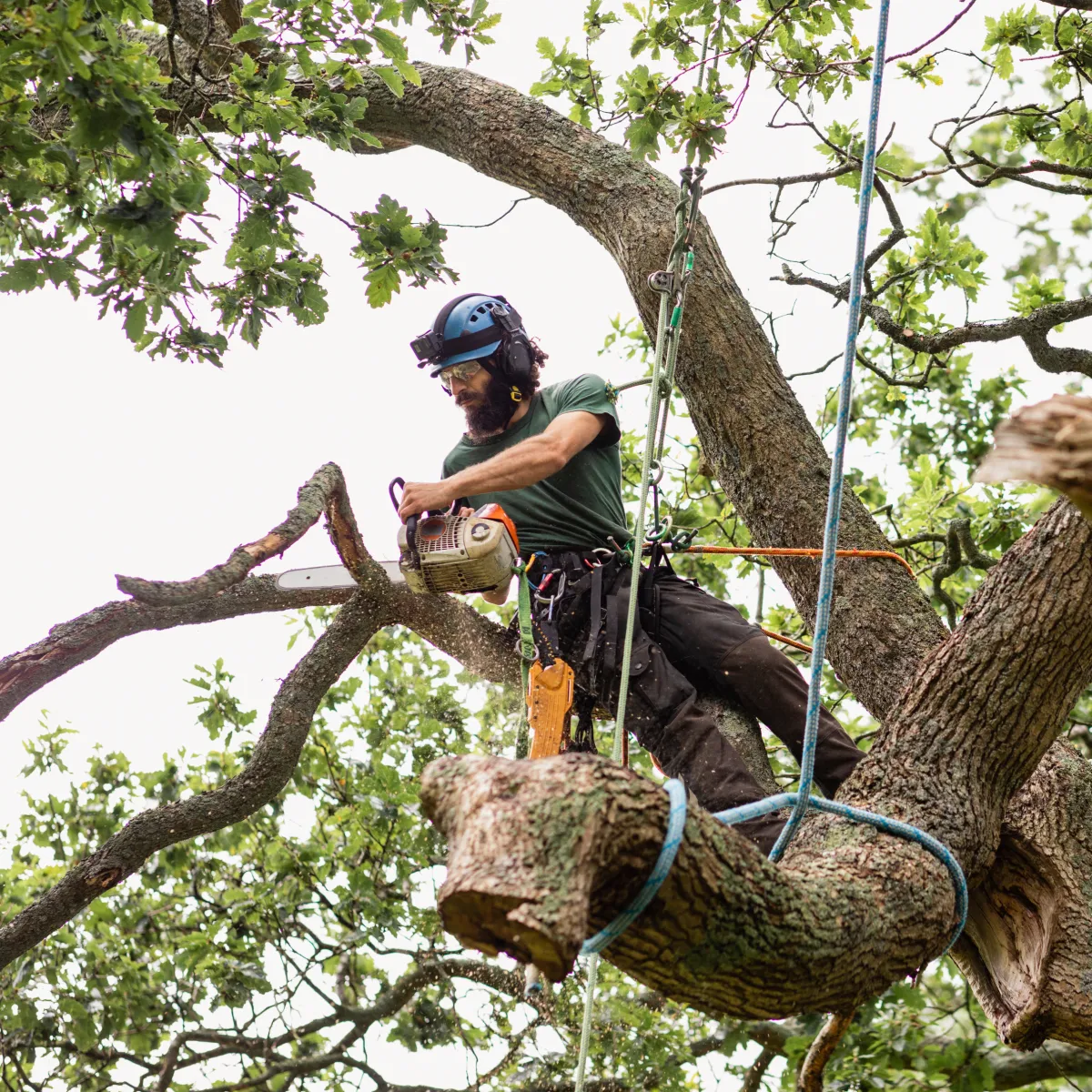
Your options for tree removal services in Ontario:
Standard Tree Removal: This includes bringing a tree down, disposing of its limbs, and cutting the larger logs of the tree for firewood, which is left on site.
Down-Only Tree Removal: The tree is safely taken down either completely or in smaller pieces, but there’s no cleanup or firewood cutting.Bullet List 3
Low-Impact Tree Removal: The tree parts are carefully cut and lowered in manageable pieces to preserve and protect the surrounding areas, such as manicured lawns and plants.
STILL NOT SURE?
Frequently Asked Questions
Is a permit required for tree removal?
Depending on local regulations, a permit may be required for tree removal. It’s crucial to check with the local municipality to ensure compliance.
How much does tree removal typically cost?
The cost of tree removal varies based on factors like size, location, species, and job complexity. Obtain quotes from professionals for accurate estimates.
What are the alternatives to complete tree removal?
Alternatives to complete tree removal include pruning, trimming, or other arboricultural practices. Consult with us to explore options for saving the tree.
Can I remove a tree on my own, or should I hire a professional?
While small trees can be DIY projects, professionals are recommended for larger or more challenging removals due to safety concerns.
How should I prepare for tree removal on my property?
Prepare for tree removal by clearing the area, securing pets, and informing neighbors for a smooth and safe process.
Gallery
Why Choose T.T.T Tree Care & Property Maintenance for Tree Removal in Ontario?
T.T.T Tree Care & Property Maintenance is a trusted provider of professional tree services in Ontario. Our experienced team specializes in a full range of services, including tree removal, tree trimming and pruning, storm damage cleanup, stump grinding, and general tree care.
We proudly offer tree removal services throughout Kawartha Lakes and surrounding Cottage Country communities, including: Dorset, West Guilford, Haliburton, Minden, Tory Hill, Cardiff, Wilberforce, Harcourt, Apsley, Lakefield, Buckhorn, Omemee, Lindsay, Janetville, Little Britain, Sunderland, Beaverton, Bolsover, Seabright, Norland, Kirkfield, Cameron, Bobcaygeon, Fenelon Falls, Lakehurst. Contact us today for a free, no-obligation quote for your tree removal needs.
Reviews
REQUEST YOUR FREE ESTIMATE
GET A FREE QUOTE
CONTACT US | CAREERS
5.0 Star Rated
Leave a Review



Tel: 705-854-2665
T.T.T Tree Care & Property Maintence
Servicing: Dorset, West guilford, Haliburton, Minden, Tory hill, Cardiff, Wilberforce, Harcourt, Apsley, Lake field, Buckhorn, Omemee, Lindsay, Janetville, Little Britain, Sunderland, Beaverton, Bolsover, Seabright, Norland, Kirkfield, Cameron, Bobcaygeon, Fenelon, Lakehurs, and surrounding areas.